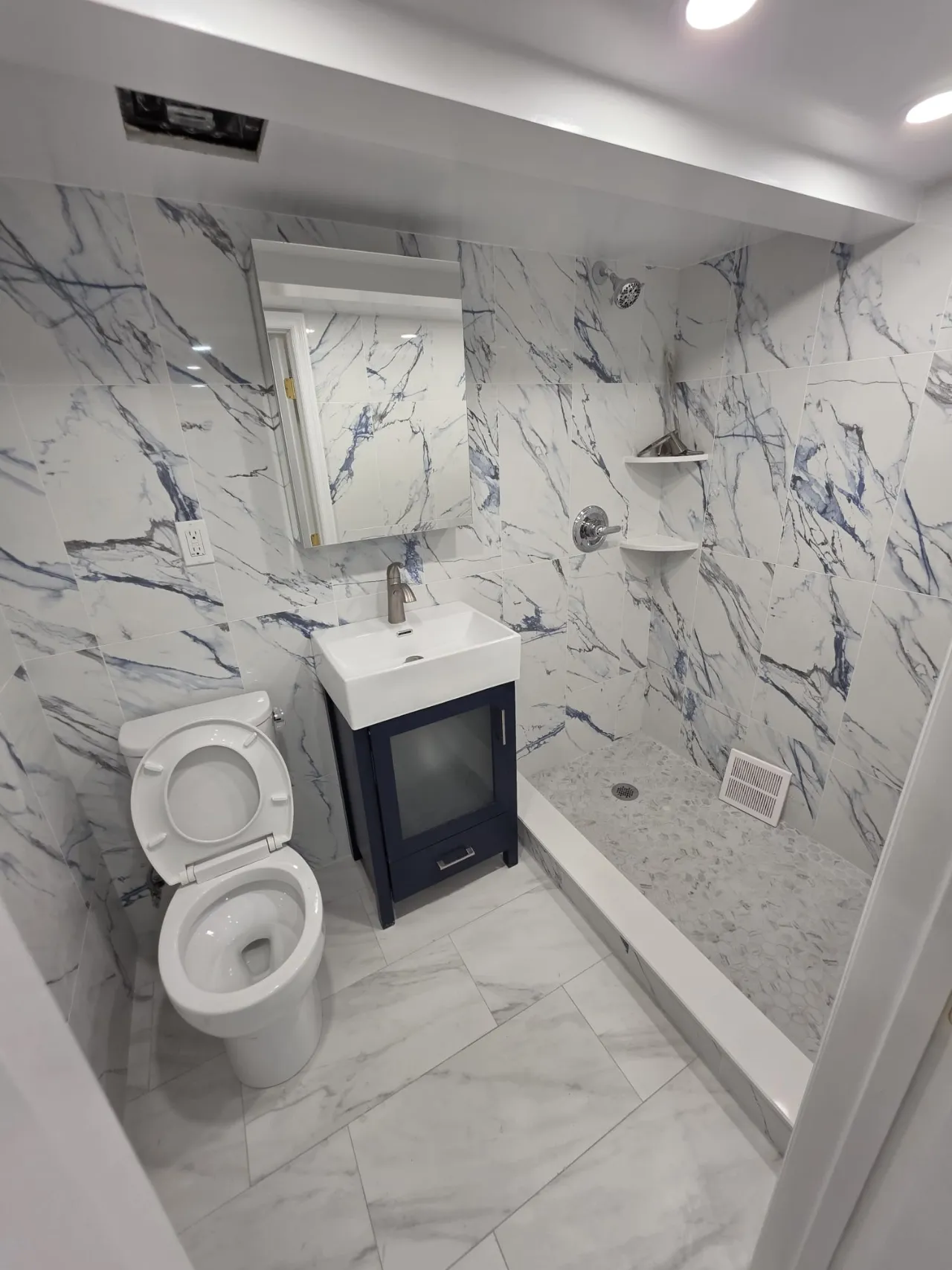
Most bathrooms do not fall apart overnight. They wear down slowly, and one day you realize the space just does not work anymore. If you have been wondering whether it is time to act, you are not alone. Knowing the signs your bathroom needs a remodel can save you money and stress down the road. A small leak today can turn into rotted subfloor next year. Dated fixtures can drag down the value of your whole home. The good news is that most warning signs are easy to spot once you know what to watch. In this guide, we will walk through the clearest signals that your bathroom needs work. We will also cover what tends to cause these issues and how a proper remodel fixes them. Whether you own a starter home or a long-time family house in New York State, the same red flags apply. By the end, you will have a clear sense of whether a quick fix will do or a full remodel makes more sense.
Water is the number one enemy of any bathroom. If you see stains on the ceiling below, peeling paint, or soft spots near the tub, water is getting somewhere it should not. Mold in the corners or a musty smell points to moisture trapped behind the walls. These problems rarely fix themselves. Left alone, a slow leak can rot the subfloor, damage framing, and spread mold through the room. By the time you notice the smell, the damage is often worse than it looks. A remodel lets a crew open the walls, find the source, and rebuild with proper waterproofing. Fixing the cause now is far cheaper than replacing a floor and framing later.
Some bathrooms still work but feel stuck in another decade. Cracked tile, rusted fixtures, and a cramped layout make daily routines harder than they should be. Maybe the vanity eats up floor space, or the shower is too tight to move in. These issues do not always cause damage, but they chip away at comfort and home value. A remodel is your chance to rethink the whole layout, not just swap parts. You can move the vanity, expand the shower, or add better storage. New fixtures also use less water, which lowers your bills over time. If your bathroom feels dated every time you walk in, that feeling is a sign worth taking seriously.
A bathroom that lacks storage forces everything onto the counter. Over time, that clutter makes even a clean room feel messy and small. If you are tripping over baskets or stacking towels on the toilet tank, the space is not working. Many older bathrooms were built before people expected built-in storage. A remodel can add a vanity with drawers, recessed shelving, or a linen closet that fits the room. Smart layout changes often free up space you did not know you had. The goal is a room where everything has a place. When storage is planned into the design, the whole bathroom feels calmer and easier to keep clean.
Not every bathroom problem needs a full remodel. A single cracked tile or a leaky faucet can be a simple repair. The question is whether you keep patching small issues one by one. When repairs start to pile up, a remodel usually costs less in the long run. It also lets you fix the root cause instead of the symptom. If two or more of the signs above sound familiar, it is worth getting a professional opinion. A free estimate gives you a clear picture of the work and the cost. From there, you can decide whether to repair or remodel. Either way, you will know exactly where your bathroom stands.
Noticing the signs above? Let us take a look. We will send a free estimate and inspection on your bathroom, with no obligation to move forward.
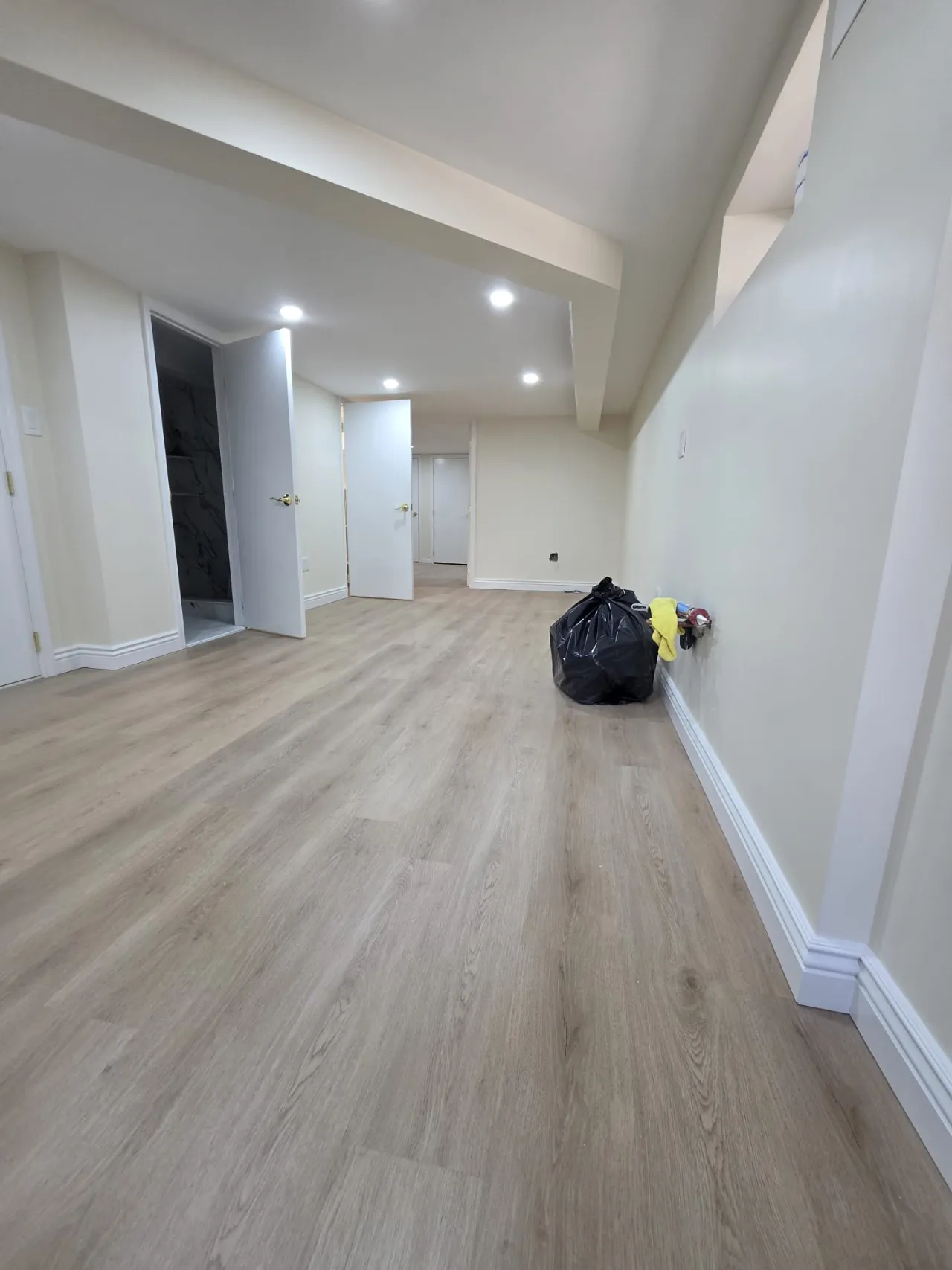
New flooring is one of the biggest changes you can make in a home. It sets the tone of a room and takes daily abuse from shoes, pets, and spills. So when it is time to replace your floors, the hardwood vs tile flooring question comes up fast. Both are durable. Both look great. But they behave very differently once they are installed. The right choice depends on the room, your budget, and how you live. A busy kitchen has different needs than a quiet bedroom. In this guide, we will break down how hardwood and tile compare on cost, durability, comfort, and style. We will also point out where each one shines and where it falls short. By the end, you will know which floor fits your home and which rooms might suit a mix of both. Let us make the decision simple instead of stressful.
Budget is usually the first thing people weigh. Ceramic tile tends to cost less per square foot than solid hardwood, though prices vary by material and quality. Marble and high-end hardwood sit at the top of the range. Installation also differs. Tile needs a level base, careful cuts, and grout work, while hardwood needs a clean subfloor and proper acclimation. Both jobs reward skilled hands, since rushed work shows up fast in uneven tile or gaps between planks. A professional install costs more upfront but lasts longer and looks better. The cheapest option today can become the most expensive one if it fails early. A free estimate is the only way to get real numbers on your space.
Tile is hard to beat when it comes to water and wear. It shrugs off spills, mud, and pet accidents, which makes it a strong pick in kitchens, bathrooms, and entryways. Sealed grout keeps moisture out, though it needs occasional cleaning. Hardwood is tough too, but it does not love standing water. A quick spill is fine, but a flooded bathroom can warp planks. The upside is that hardwood can be sanded and refinished several times over its life. Tile cannot be refinished, but a quality install can last decades without much fuss. So the better choice depends on the room. Wet, high-traffic areas favor tile, while living rooms and bedrooms reward the warmth of wood.
Floors affect how a room feels, not just how it looks. Hardwood is warmer underfoot and softer on your legs during a long day. It brings a natural, timeless look that works in almost any style of home. Tile feels cooler and harder, which is welcome in summer but chilly in winter unless you add radiant heat. On style, both offer huge range. Hardwood comes in many species, stains, and plank widths. Tile comes in endless colors, sizes, and patterns, including options that mimic wood or stone. If you want cozy and classic, wood usually wins. If you want sleek, water-tough, and easy to clean, tile takes the lead. Many homes use both, matching each floor to the room.
There is no single right answer, just the best fit in your space. Start with the room. Kitchens, bathrooms, mudrooms, and basements lean toward tile because of moisture and traffic. Bedrooms, living rooms, and hallways often feel best in hardwood. Next, think about your routine. A big family, muddy boots, and pets push you toward tile toughness. A quiet adult household can enjoy wood without much worry. Budget then narrows the field, since marble and premium hardwood cost more than standard ceramic or oak. The smartest move is to plan room by room instead of forcing one material everywhere. A flooring pro can walk your home, listen to how you live, and recommend the right mix. That is exactly what a free estimate is built to do.
Still weighing hardwood against tile? Let us talk it through. We will send a free estimate and inspection on your flooring project, with no obligation.
Exterior paint does more than make your home look good. It seals out moisture, blocks UV damage, and protects the surfaces underneath. But paint only performs if it goes on in the right conditions. That is why timing matters so much. If you want the best time to paint your house exterior in New York, the season makes a real difference. Paint needs dry surfaces and steady, moderate temperatures to cure properly. Apply it too cold, too hot, or too wet, and it can peel or crack within a year. In New York State, the weather swings hard between seasons. Brutal winters and humid heat both work against fresh paint. The sweet spot is a stretch of mild, dry days, which usually lands in late spring through early fall. In this guide, we will explain the ideal window, what weather to avoid, and how to plan the job so the finish lasts.
Paint is a chemical product that needs the right conditions to cure. When you brush or spray it on, it has to dry and bond to the surface in stages. If the air is too cold, the paint cannot form a solid film and may crack later. If it is too hot or in direct sun, the surface skins over too fast and traps moisture underneath. High humidity slows drying and invites bubbling. Rain within hours of a coat can ruin the whole job. This is why a warm, dry, calm stretch matters so much. Get the timing right, and a quality exterior coat can protect your home many years. Get it wrong, and you may be repainting far sooner than you planned.
In New York State, the ideal painting window runs from late spring through early fall. Daytime temperatures sit in a comfortable range, and the air is usually dry enough to let coats cure. Late May through September is the heart of the season in most of the state. Spring brings rain, so you want a dry stretch with stable forecasts. Summer works well, though you will want to avoid painting in the hottest midday sun. Early fall is often ideal, with cool, dry days and lower humidity. Once nighttime temperatures start dropping near freezing, it is time to stop. Painting too late in the year risks a coat that never fully cures. Planning the work inside this window gives your home the best chance at a clean, lasting finish.
Even in peak season, day-to-day weather decides whether a coat succeeds. Before any exterior job, a good crew checks the forecast several days out. You want dry surfaces, mild temperatures, and no rain in the hours after painting. Avoid days with high humidity, since moisture in the air slows drying and weakens the bond. Skip extreme heat and direct midday sun on the side being painted. Wind is another factor, as it can blow dust and debris onto wet paint. Morning dew also matters, so crews often wait until surfaces dry before starting. None of this means you need a perfect day. It means the work should be scheduled with the weather, not against it. That planning is part of what separates a lasting finish from a quick one.
The best results come from planning ahead, not waiting until the paint is already failing. If you see peeling, fading, or bare wood, start the conversation early in the year. Good crews book up fast once the warm season hits. Begin with a free estimate so you know the scope, the prep, and the cost. Proper prep, like washing, scraping, and priming, takes time but makes the finish last. From there, the crew can schedule your job during a stretch of good weather. Booking early also gives you room to choose colors without rushing. The goal is simple: get quality paint on clean, dry surfaces during the right season. Do that, and your home stays protected and looks sharp season after season.
Planning to paint this season? Let us get ahead of it. We will send a free estimate and inspection on your exterior, with no obligation.